Stem Cell Therapy for Post-Surgical Healing and Recovery

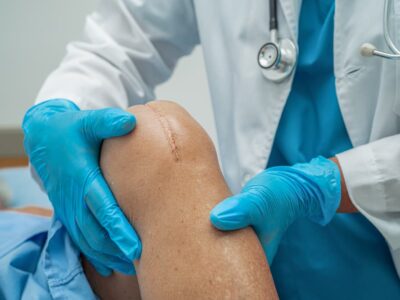

Surgery can solve a structural problem and still leave a long road behind it. A repaired tendon has to knit into living tissue. A fused spine has to settle. A knee replacement may be mechanically successful while the surrounding soft tissue remains inflamed, stiff, and weak for months. Anyone who has spent time around orthopedic recovery knows that the operation is only one chapter. The biology that follows often determines whether a patient returns to confident movement or stays trapped in a cycle of swelling, pain, and guarded function.
That is where conversations about Stem Cell Therapy usually begin. Not as a miracle, and not as a replacement for skilled surgery or disciplined rehabilitation, but as a proposed way to support the body’s healing response after tissue has been cut, repaired, anchored, grafted, or reconstructed. Patients ask about it because they want fewer setbacks and a faster return to work, sport, or ordinary life. Surgeons consider it because some tissues heal slowly, poorly, or unpredictably. Physical therapists encounter it because even a technically sound procedure can stall when biology lags behind the rehab plan.
The challenge is that stem cell discussions often swing between hype and dismissal. In practice, the truth sits in the middle. There is real scientific interest, some encouraging clinical use, and a great deal that still needs better evidence. For post-surgical healing, that middle ground matters.
Why recovery after surgery is so biologically demanding
A surgical incision looks small from the outside, but inside the body recovery is metabolically expensive. Inflammation rises first, and that is not inherently bad. It is part of the repair process. Blood flow changes, signaling molecules flood the area, and local cells begin the work of clearing debris and laying down new matrix. Over time, proliferative healing takes over, then remodeling. This sequence sounds orderly on paper. In real patients, it is rarely neat.
Age alters tissue quality. Diabetes can blunt vascular response. Smoking impairs oxygen delivery. Prior steroid exposure can weaken tendon biology. Revision surgery often means scar tissue, poorer local blood supply, and a less favorable healing environment. Even in healthy younger patients, some tissues simply heal slowly. Cartilage is notorious for this. Meniscus repairs may succeed or fail based partly on whether the tear lies in a vascular zone. Rotator cuff repairs can be mechanically secure in the operating room and still re-tear later if the tendon-bone interface never matures well.
This is the clinical backdrop for biologic augmentation. Surgeons and regenerative medicine specialists are trying to improve the local environment in which healing occurs. Stem Cell Therapy is one of the tools discussed for that purpose.
What clinicians usually mean by Stem Cell Therapy
The phrase covers several very different interventions, and that distinction matters. In most real-world musculoskeletal settings, “stem cell therapy” does not mean laboratory-grown embryonic cells or highly manipulated products. It usually refers to autologous cell-based preparations, most often derived from bone marrow aspirate concentrate, sometimes from adipose tissue, and used with the goal of supporting tissue repair.
Bone marrow aspirate concentrate, often abbreviated BMAC, is collected from the patient, commonly from the pelvis, then processed to concentrate nucleated cells and growth factors. Adipose-derived preparations come from fat tissue harvested by a small liposuction-like procedure. These products are biologically active, but they are not pure stem cell populations. They contain a mix of cells, signaling molecules, and supporting factors. That mix may be part of the value, but it also makes it harder to compare studies or promise uniform outcomes.
In surgery, these preparations may be placed directly at the repair site, injected into a joint after a procedure, combined with scaffolds, or used as an adjunct around grafts and tendon repairs. The intention is usually one of three things: modulating inflammation, enhancing tissue regeneration, or improving the quality of the repair interface.
That is the theory. Whether theory becomes better patient outcomes depends on the tissue, the procedure, the patient’s biology, and the quality of the product being used.
Where the interest is strongest
Orthopedic and sports medicine procedures have generated much of the discussion around post-surgical Stem Cell Therapy. Rotator cuff repair is a frequent example because failure rates can remain substantial, especially with larger tears or poorer tendon quality. Surgeons have long looked for ways to improve the tendon-to-bone healing zone, which is structurally complex and difficult to reproduce after repair.
Cartilage work is another area of interest. Procedures such as microfracture, osteochondral grafting, or cartilage restoration rely on a durable biologic response, and the knee’s mechanical demands expose any weakness in the repair. Cell-based augmentation may help in selected cases, though expectations need to be realistic. Cartilage is not quick to regenerate, and not every defect behaves the same way.
Meniscus repair, ACL reconstruction, spinal fusion, nonunion fracture treatment, and even some maxillofacial and plastic surgery applications have also drawn attention. In each setting, the same underlying question appears: can a biologic adjunct improve the quality, speed, or reliability of healing enough to matter clinically?
That final phrase, enough to matter clinically, is crucial. An MRI finding is interesting. A lower re-tear rate, earlier functional milestone, or reduced need for revision surgery is more persuasive.
What the evidence says, and what it does not say
The literature on Stem Cell Therapy in post-surgical recovery is promising but uneven. Some studies and case series suggest improved healing rates, better imaging outcomes, or better early symptom control in selected procedures. Others show modest or inconsistent benefits. The strongest limitation is heterogeneity. One study may use bone marrow aspirate placed at the repair site during surgery. Another may use a processed adipose product weeks later. A third may combine biologics with a scaffold or platelet-rich plasma. Different techniques, different doses, different timing, different patients.
That makes broad claims unreliable.
For rotator cuff repair, for example, there is cautious optimism that biologic augmentation may help certain high-risk tears, particularly larger or revision cases where tissue quality is poor. For cartilage procedures, cell-based approaches remain an area of active development, but outcomes depend heavily on lesion size, alignment, joint mechanics, and postoperative loading. In spinal fusion, cell-based products have been studied as graft adjuncts, though the quality and regulatory status of available products vary substantially.
A sensible reading of the evidence leads to a few grounded observations:
- Stem Cell Therapy may offer the greatest value in situations where baseline healing potential is compromised.
- Benefits, when present, seem more likely to appear in tissue quality or structural healing than as dramatic overnight symptom relief.
- Technique and patient selection probably matter as much as the biologic itself.
- It should be viewed as an adjunct, not a substitute for surgical precision or rehabilitation.
- Stronger, standardized trials are still needed before many applications can be considered settled practice.
Those points may sound restrained, but restraint is appropriate here. Patients deserve honesty more than excitement.
The real goal is not faster at any cost
Many patients hear the term and immediately think, “Will this get me back sooner?” Sometimes it might support a smoother course, but the deeper goal is often better healing rather than simply faster healing. Those are not identical.
Consider a high-demand patient after Achilles tendon repair. If the tendon heals in a more organized, robust way, that may reduce elongation, improve force transfer, and support better push-off months later. The patient may not notice a dramatic difference at week two. The payoff may show up at month six when calf strength recovers more fully and confidence in loaded movement returns.
Or take a revision shoulder surgery in a patient over 60 with poor tendon quality. The hope is not that the sling comes off early because cells were used. The hope is that the repair holds, that the tendon integrates more reliably, and that the patient avoids another failure. Good surgeons and therapists think in these terms all the time. Durable healing first, speed second.
A clinic-level view of who may be a reasonable candidate
When Stem Cell Therapy is considered after surgery, the best candidates are usually not people looking for a shortcut. They are people whose recovery biology may need support or whose procedure has known healing challenges. That can include older adults with diminished tissue quality, athletes undergoing revision procedures, patients with focal cartilage damage, or individuals with prior delayed healing.
At the same time, not every difficult recovery calls for cellular therapy. A patient whose knee remains swollen because they returned to impact loading too early does not need a biologic solution to a load management problem. A patient with persistent shoulder pain from stiffness may benefit more from carefully adjusted therapy than from any injection. A smoker with poorly controlled diabetes may need risk-factor correction before a biologic adjunct can reasonably be expected to help.
This is where experience matters. The right question is not, “Can we add Stem Cell Therapy?” It is, “What is the actual barrier to recovery in this specific patient?” Sometimes the answer is tissue biology. Sometimes it is biomechanics, adherence, infection, overprotection, underloading, or a mismatch between pain and progression.
Timing changes the conversation
One underappreciated issue is when the therapy is used. In some procedures, a cell-based preparation is applied during surgery so it reaches the repair interface from the outset. In other situations, it is injected later when healing appears stalled or inflammation remains disproportionate.
These are not equivalent scenarios. Intraoperative use aims to influence the earliest healing environment. Delayed use often tries to rescue a lagging response or calm a persistent inflammatory state. The expected benefits, and the evidence behind them, differ accordingly.
Timing also intersects with rehabilitation. If a biologic adjunct is used, the rehab plan still has to respect tissue constraints. There is a temptation, especially among motivated patients, to interpret any advanced treatment as permission to accelerate. That can backfire. Tendons, grafts, and cartilage repairs still require mechanical protection at the right stages. Biology can assist the process, but it does not erase the timeline of tissue maturation.
What patients should ask before agreeing to it
A practical discussion in clinic should be specific. Patients do not need marketing language. They need clarity on what is being used, why it is being used, and what problem it is intended to solve.
A useful conversation usually covers these questions:
- What exact product or preparation is being used, and is it from my own body or a donor source?
- What evidence supports its use for my particular surgery, not just for orthopedic care in general?
- What is the realistic goal, less pain, better structural healing, lower re-tear risk, or something else?
- What are the added costs, and are they covered by insurance?
- How does this change, or not change, my rehabilitation timeline?
That set of questions often reveals whether the recommendation is thoughtful or generic. A careful surgeon can explain where the evidence is strong, where it is tentative, and where the decision depends on judgment rather than certainty.
Risks, limits, and the less glamorous realities
Because many stem cell approaches in this context are autologous, patients sometimes assume they are risk-free. They are not. Harvesting bone marrow can cause pain, bruising, or bleeding. Adipose harvesting has its own procedural risks. Any injection or implantation carries at least a small infection risk. There can be post-procedure inflammation, discomfort, and no guarantee of benefit.
There are also broader concerns. Processing methods differ from clinic to clinic. Cell counts and viability are not always standardized. Regulatory frameworks vary by country and by product type. Some commercial offerings stretch the science far beyond what current evidence justifies. If a clinic promises that Stem Cell Therapy reliably regenerates cartilage, eliminates arthritis, or guarantees surgical recovery, that is a signal to slow down and scrutinize the claim.
Another reality is cost. These procedures can be expensive, often paid out of pocket, and sometimes layered onto an already significant financial burden from surgery and rehab. For some patients, that cost may be reasonable if the indication is strong and the clinician is credible. For others, the likely benefit may be too uncertain to justify the expense.
The rehabilitation piece cannot be outsourced to biology
One of the most common misconceptions is that a biologic intervention can compensate for poorly structured rehab. It cannot. Even the most promising cellular therapy still depends on appropriate loading, joint mobility, neuromuscular retraining, sleep, nutrition, and patience.
A repaired tendon needs graduated stress to remodel well. Too little load and it remains weak and disorganized. Too much too soon and it may fail. Cartilage procedures need careful progression of weight bearing and impact exposure. Spinal fusion patients need respect for both healing and movement confidence. None of those principles disappear because a cellular adjunct was used.
In practice, the best recoveries often come when surgery, biology, and rehabilitation are aligned. The surgeon provides mechanical correction and tissue protection. The biologic, if used, aims to improve the healing environment. The therapist guides the patient through restoration of motion, strength, proprioception, and confidence. When one of those pieces is missing, the whole system feels less effective.
A good example is a middle-aged recreational tennis player after rotator cuff repair. If pain settles quickly but the scapular mechanics remain poor, the cuff may still be overloaded as activity returns. If the repair heals structurally but the thoracic mobility and posterior cuff endurance are neglected, symptoms may linger. Better healing biology helps, but movement quality still decides much of the lived outcome.
Where expectations often go wrong
Expectations usually drift in two directions. Some patients expect immediate symptom relief, as if the treatment were an anti-inflammatory injection with a near-term effect. Others expect full tissue regeneration independent of age, arthritis severity, or surgical complexity.
Neither expectation is reliable.
Post-surgical Stem Cell Therapy is better framed as a potentially helpful biologic support, one that may improve the odds of a stronger repair or a more favorable healing response in selected settings. It may not change the first few uncomfortable weeks very much. It may not rescue a technically failed surgery. It may not overcome persistent overload, poor metabolic health, or unrealistic timelines.
The patients who tend to cope best are those who understand that recovery remains a process. They use every reasonable advantage available to them, but they do not confuse an adjunct with a guarantee.
The next few years will likely bring better answers
This field is moving, though not as fast as public marketing suggests. Better trial design, clearer definitions of cell products, improved processing standards, and procedure-specific research should help sort out where Stem Cell Therapy truly belongs in post-surgical care. It would not be surprising to see narrower, more precise indications gain support first, particularly in cases where tissue quality is poor and failure rates remain frustratingly high.
That precision will be healthy for the field. Broad claims have created as much confusion as enthusiasm. The real progress will come from matching the right biologic approach to the right tissue problem at the right time, then measuring outcomes that matter to patients: pain, function, return to activity, durability, and reduced revision rates.
A measured place in modern recovery
For now, Stem Cell Therapy occupies a middle ground that is easy to misunderstand but worth taking seriously. It is neither fringe fantasy nor universal answer. In post-surgical healing and recovery, it may offer meaningful support in carefully chosen cases, especially where biology is a limiting factor and the treating team knows exactly what they are trying to improve.
That measured view may not be flashy, but it is clinically useful. Surgery still depends on sound technique. Recovery still depends on disciplined rehabilitation. Patient health still shapes the terrain. When a cell-based adjunct is added thoughtfully, with realistic goals and honest discussion, it can be part of a smarter recovery strategy rather than a hopeful gamble.
For patients and clinicians alike, that is the standard worth keeping: less salesmanship, more judgment, and a clear-eyed focus on what helps tissue heal well enough to matter in daily https://rentry.co/zmrkqxkz life.
Denver Regenerative Medicine | Stem Cell Therapy, HRT, Testosterone Clinic
Address: 5040 Corporate Plaza Dr Ste 7, Colorado Springs, CO 80919
Phone number: +17205831648
FAQ About Stem Cell Therapy
What are the negative side effects of stem cell therapy?
Stem cell therapy can cause mild short-term reactions like injection-site pain, fatigue, and low-grade fever. More serious risks include infection, immune system rejection, blood clots, unintended tissue growth or tumors, and severe complications from unproven treatments at unregulated clinics.
What diseases can stem cells cure?
Currently, stem cells routinely and effectively cure specific blood cancers, immune deficiencies, and blood disorders using established bone marrow or cord blood transplants. Most other applications—such as for Parkinson's, diabetes, or heart failure—remain experimental or in clinical trials rather than proven cures.
Do stem cell treatments really work?
Yes, stem cell treatments work, but only for a very specific group of conditions. Hematopoietic stem cell transplants (bone marrow transplants) are fully proven and widely used to treat blood cancers like leukemia and lymphoma. However, commercial stem cell treatments for joint pain, arthritis, and wrinkles are largely unproven, experimental, and costly.